Artificial Intelligence is a rapidly growing field with a wealth of opportunities for those looking to build a career in this dynamic industry. Whether you're a student, a professional looking to switch careers, or someone with a keen interest in AI, this blog will provide you with valuable insights into education paths, essential skills, and career opportunities in AI.
1. Learning Paths for Aspiring AI Professionals Starting a career in AI typically begins with a strong educational foundation in computer science, mathematics, and statistics. Many universities offer specialized programs in AI and machine learning. For those looking for flexible learning options, online platforms like Coursera, edX, and Udacity offer courses and certifications in AI, covering topics such as deep learning, natural language processing, and computer vision. These courses, often developed by leading universities and tech companies, provide a solid grounding in both theoretical and practical aspects of AI.
2. Online Courses and Certifications in AI and Machine Learning Online courses and certifications are excellent ways to gain knowledge and credentials in AI. Programs like the "Deep Learning Specialization" by Andrew Ng on Coursera or the "AI for Everyone" course provide accessible entry points for beginners. For more advanced learners, platforms like Udacity offer nanodegrees in AI and machine learning, which include hands-on projects and mentorship from industry experts. These certifications can significantly enhance your resume and demonstrate your commitment to learning.
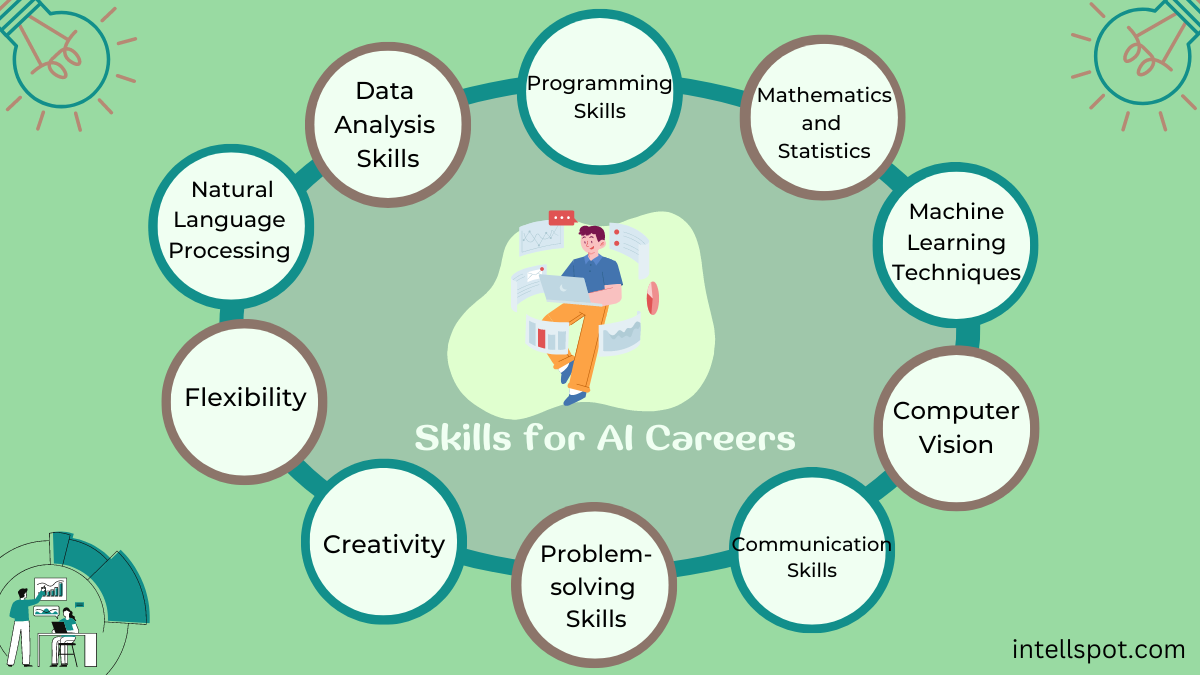
3. Essential Skills and Tools for AI Practitioners A successful career in AI requires a diverse set of skills and proficiency with various tools. Key programming languages include Python, known for its extensive libraries like TensorFlow, PyTorch, and scikit-learn, which are essential for machine learning. Knowledge of data handling and manipulation using tools like Pandas and NumPy is also crucial. Additionally, understanding cloud platforms such as AWS, Google Cloud, and Microsoft Azure can be beneficial, as many AI applications are deployed in cloud environments.
4. Profiles of Successful AI Professionals and Their Career Journeys Learning from the experiences of successful AI professionals can provide valuable insights and inspiration. Many leading AI experts have diverse backgrounds and unique career paths. For example, Fei-Fei Li, co-director of Stanford's Human-Centered AI Institute, has made significant contributions to computer vision. Andrew Ng, a co-founder of Google Brain, has been instrumental in democratizing AI education through his online courses. These profiles illustrate the varied routes one can take to achieve success in the AI field.
5. Trends and Opportunities in the AI Job Market The demand for AI professionals continues to grow across various industries. Roles such as AI researchers, data scientists, machine learning engineers, and AI ethics specialists are in high demand. Industries like healthcare, finance, automotive, and retail are actively seeking AI expertise to drive innovation and efficiency. Staying updated with the latest trends, such as advancements in reinforcement learning, edge AI, and AI ethics, can help you identify emerging opportunities and stay ahead in the job market.
Building a career in AI is an exciting and rewarding journey. By investing in the right education, developing essential skills, and staying informed about industry trends, you can position yourself for success in this rapidly evolving field. Whether you're just starting or looking to advance your career, the world of AI offers a plethora of opportunities to make a significant impact.